Every February, American Heart Month invites us to reflect on one of our most vital organs: the heart. For decades, the focus has been on nutrition, exercise, and preventing conditions like high blood pressure or heart disease. But in recent years, research and public health leaders have highlighted an often-overlooked truth: heart health is deeply intertwined with substance use and mental health. Understanding this connection is essential for prevention, early intervention, and long-term wellness.
The Heart–Mind Connection
We often think about the heart and mind as two separate systems, but the relationship between them is incredibly strong. Stress, anxiety, depression, and trauma affect the body’s cardiovascular functioning, and in return, poor heart health can increase the risk of mental health challenges.
Chronic stress, for example, triggers the release of stress hormones like cortisol and adrenaline, which increase heart rate and blood pressure. Over time, this can strain the cardiovascular system. Meanwhile, living with heart disease or hypertension can lead to feelings of fear, hopelessness, and emotional exhaustion.
American Heart Month reminds us that caring for emotional well-being is just as important as making heart-healthy choices.
How Substance Use Impacts the Heart
Substance use – including alcohol, tobacco, stimulants, opioids, and vaping products – plays a major role in cardiovascular health. Some of the impacts are immediate, while others quietly build over years.
Alcohol
Heavy or long-term alcohol use can raise blood pressure, weaken the heart muscle, and increase the risk of stroke. Even moderate drinking may negatively impact the heart when paired with stress, poor sleep, or certain medications.
Tobacco and Nicotine
Smoking remains one of the leading preventable causes of heart disease. Nicotine increases heart rate and constricts blood vessels, while chemicals in smoke damage arteries and reduce oxygen flow. Vaping isn’t a safe alternative – nicotine & additives still strain the cardiovascular system.
Stimulants (such as cocaine or methamphetamine)
These substances place intense pressure on the heart, raising the risk of heart attack, arrhythmia, and sudden cardiac events, even in young people.
Opioids
Though opioids primarily affect the respiratory system, they can also slow heart rate and contribute to complications like low oxygen levels, which harms heart tissue over time.
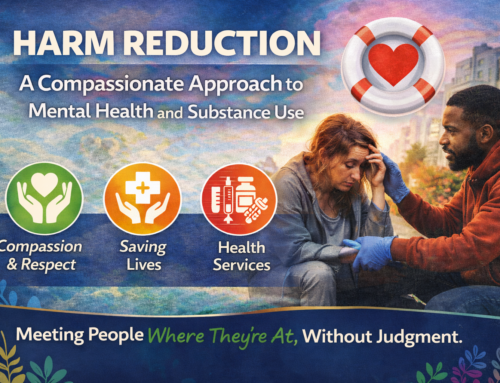
Understanding how substances affect the heart is critical for prevention, treatment planning, and long-term recovery. During American Heart Month, it’s important to highlight that heart-healthy living must include addressing substance use risks.
Mental Health: A Core Part of Heart Health
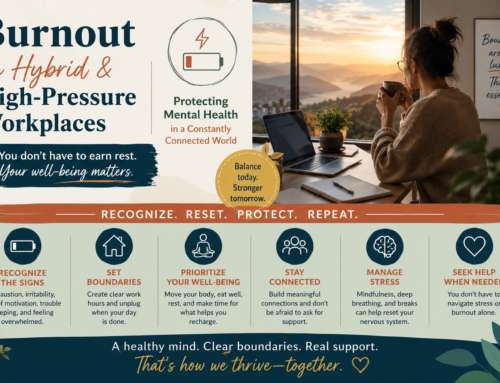
Many people turn to substances not simply for recreation but as a way to cope with stress, trauma, anxiety, or depression. These underlying mental health concerns are themselves risk factors for heart disease. Emotional distress can increase inflammation, disrupt sleep, and elevate blood pressure – all of which strain the cardiovascular system.
At the same time, individuals managing heart disease may experience significant emotional impacts, including:
- Anxiety about symptoms or health outcomes
- Depression following a cardiac event
- Fear of relapse or worsening health conditions
- Feelings of isolation or loss of control
This bi-directional relationship makes mental health care an essential part of heart-healthy living, particularly for those in recovery from substance use.
Supporting Whole-Person Wellness
American Heart Month offers an opportunity to encourage a holistic view of health – one that incorporates the body, mind, and lifestyle together. Some helpful strategies include:
- Integrated care combining medical treatment, counseling, and substance use support
- Stress-reduction practices such as mindfulness, deep breathing, yoga, or guided meditation
- Healthy routines including adequate sleep, balanced meals, and regular movement
- Peer or professional support, especially during recovery or lifestyle transitions
- Regular check-ups to monitor heart health, blood pressure, and mental wellness
A Heart-Centered Approach to Healing
The message of American Heart Month is simple but powerful: your heart matters. And caring for it means caring for your whole self, including your emotional health and your relationship with substances. Whether you are working toward recovery, managing stress, or aiming to prevent heart disease, small steps taken today can shape a healthier future.