National Youth HIV/AIDS Awareness Day shines a light on a population that is too often overlooked in conversations about health and prevention. Young people—particularly youth of color, LGBTQ+ youth, and those facing economic or housing instability—continue to be disproportionately affected by HIV. But HIV does not exist in isolation. It intersects powerfully with mental health, substance use, stigma, and access to care.
To truly support young people, we must address the full reality of their lives—not just risk behaviors, but the emotional, social, and systemic challenges that shape health outcomes.
The Emotional Impact of HIV on Young People
For a young person, an HIV diagnosis can feel overwhelming. Adolescence and young adulthood are already periods of identity formation, vulnerability, and transition. Adding a chronic, stigmatized condition can intensify feelings of fear, shame, anxiety, and isolation.
Many youth living with HIV report concerns about disclosure, rejection, and future relationships. Fear of judgment—from peers, family members, or healthcare providers—can lead to secrecy and withdrawal. These emotional burdens significantly impact mental health and can interfere with engagement in care.
Even youth who are HIV-negative but at higher risk may experience ongoing stress related to stigma, discrimination, or lack of affirming support, particularly in communities where conversations about sexuality, gender identity, or substance use are taboo.
Mental Health Challenges and HIV Risk
Mental health struggles are both a risk factor for and a consequence of HIV. Depression, anxiety, trauma, and low self-esteem can increase vulnerability by affecting decision-making, self-protection, and access to healthcare.
Youth who experience homelessness, family rejection, violence, or discrimination often face chronic stress and trauma. These experiences can make it harder to prioritize health, adhere to prevention strategies, or seek testing and treatment.
At the same time, mental health challenges among youth living with HIV can affect medication adherence, increase isolation, and worsen overall health outcomes. Supporting mental wellbeing is essential to both prevention and long-term care.
Substance Use and Vulnerability
Substance use is another critical factor in youth HIV risk and outcomes. For some young people, alcohol or drug use may be a way to cope with stress, trauma, or social pressure. Substances can lower inhibitions, impair judgment, and increase the likelihood of behaviors that raise HIV risk.
Substance use can also be intertwined with mental health challenges. Youth struggling with depression, anxiety, or trauma may turn to substances as a form of self-medication. This does not reflect a lack of care for themselves—it reflects unmet needs for support, safety, and connection.
For youth living with HIV, substance use can complicate treatment adherence and engagement in care, especially when stigma or fear prevents honest conversations with providers.
Stigma as a Barrier to Care
Stigma remains one of the most significant barriers facing youth in HIV prevention and treatment. HIV-related stigma intersects with racism, homophobia, transphobia, and substance use stigma, creating layers of discrimination that discourage help-seeking.
When young people fear being judged, punished, or misunderstood, they are less likely to access testing, prevention tools like PrEP, mental health services, or substance use support. Stigma isolates—and isolation increases risk.
Creating affirming, youth-centered spaces is essential. Young people need to feel safe being honest about their lives without fear of shame or consequences.
Prevention Through Support, Not Shame
Effective HIV prevention for youth goes beyond messaging about risk. It requires addressing mental health, substance use, housing stability, education, and access to affirming care.
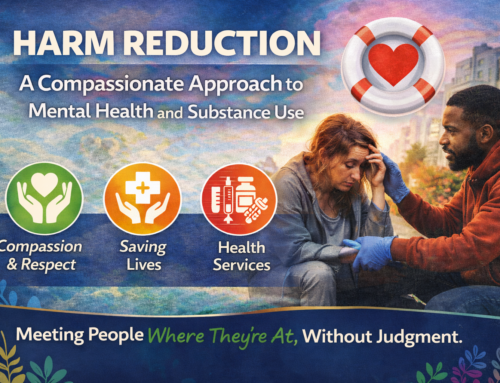
Youth-centered public health approaches recognize that prevention works best when young people feel valued, supported, and informed. Harm reduction strategies, comprehensive sex education, and accessible mental health services empower youth to make decisions that protect their health.
Prevention also means involving youth voices in program design. Young people are experts in their own experiences, and their leadership strengthens relevance and trust.
The Role of Community and Connection
Connection is one of the strongest protective factors for youth mental health and HIV prevention. Supportive relationships—with peers, mentors, family members, or community organizations—reduce isolation and build resilience.
LGBTQ+ affirming spaces, youth-led programs, and culturally responsive services provide more than information; they provide belonging. Feeling seen and supported can make the difference between silence and seeking care.
For youth living with HIV, peer support can be especially powerful. Connecting with others who share similar experiences reduces stigma and reinforces that a diagnosis does not define one’s worth or future.
Moving Toward Integrated Care
Supporting youth affected by HIV requires integrated, holistic care. Mental health services, substance use support, and HIV prevention and treatment should work together—not in silos.
Healthcare systems, schools, and community organizations must collaborate to reduce barriers and meet youth where they are. This includes offering confidential services, flexible hours, trauma-informed care, and providers trained in youth and LGBTQ+ health.
A Call to Action
National Youth HIV/AIDS Awareness Day is more than a moment—it is a call to action. Addressing HIV among youth means addressing mental health, substance use, and the social conditions that shape vulnerability.
By replacing stigma with compassion and shame with support, we create pathways to prevention, healing, and hope. Every young person deserves access to care, affirmation, and the opportunity to thrive.
This awareness day, let us commit to listening to youth, investing in comprehensive support, and building a future where no young person faces HIV—or its emotional and social impacts—alone.