Artificial intelligence is rapidly becoming part of everyday life. From virtual assistants and chatbots to personalized recommendations and healthcare tools, AI is changing how people communicate, work, and access information. In the mental health space, AI has introduced new opportunities for support, education, and accessibility. At the same time, it has raised important concerns about emotional well-being, human connection, and the potential risks of relying too heavily on technology.
As conversations around AI continue to grow, it is important to consider its impact on mental health from a balanced and thoughtful perspective.
The Growing Role of AI in Mental Health Support
AI is increasingly being used in mental health care and wellness tools. Many platforms now offer AI-powered chat support, mood tracking, guided coping exercises, and personalized recommendations based on user behavior.
These tools can provide several benefits:
- Increased access to mental health resources
- Immediate support during moments of stress or anxiety
- Reduced barriers for individuals hesitant to seek traditional therapy
- Personalized wellness suggestions and reminders
- Greater availability in underserved communities
For some individuals, AI tools can serve as a first step toward understanding their mental health needs. They may help users recognize patterns, track emotions, or feel less alone during difficult moments.
AI can also support healthcare professionals by helping analyze data, identify trends, and improve access to information. In some cases, this may allow providers to focus more on patient care and less on administrative tasks.
The Potential Benefits of Accessibility
One of the most significant opportunities AI offers is accessibility. Mental health care can be difficult to access due to cost, location, stigma, or limited provider availability. AI-powered tools may help bridge some of these gaps by offering support at any time of day.
For individuals living in rural areas or those who feel uncomfortable discussing mental health openly, digital tools may provide a sense of privacy and convenience. AI-based support can also encourage people to seek additional help when needed.
While AI is not a replacement for professional care, it can serve as a helpful supplement when used responsibly.
The Risks of Replacing Human Connection
Despite its potential benefits, AI also presents important mental health concerns. Human connection plays a critical role in emotional well-being, and technology cannot fully replace empathy, understanding, and lived experience.
Some potential risks include:
- Increased social isolation from relying too heavily on digital interaction
- Emotional dependence on AI tools or virtual relationships
- Misinformation or inaccurate mental health guidance
- Reduced face-to-face communication and support
- Difficulty recognizing serious mental health crises that require professional intervention
Mental health is deeply personal and complex. AI systems may not fully understand cultural experiences, emotional nuance, or the unique context behind a person’s struggles.
There is also concern about how constant exposure to technology and AI-driven content can affect self-esteem, attention span, and stress levels. Social media algorithms, for example, may contribute to anxiety, comparison, or emotional overload.
AI, Stress, and Emotional Burnout
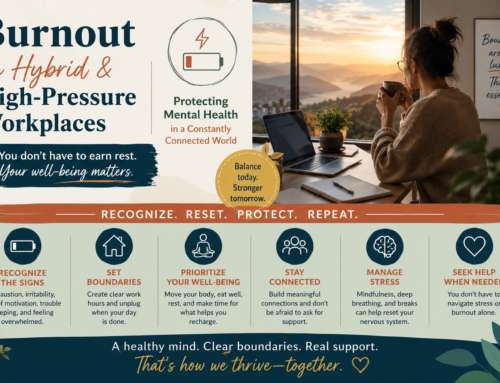
As AI becomes more integrated into workplaces and education, many people are experiencing concerns about job security, productivity expectations, and the pressure to constantly adapt to new technologies.
These changes can contribute to:
- Anxiety about the future
- Increased stress and burnout
- Fear of being replaced or left behind
- Difficulty disconnecting from digital environments
For younger generations especially, growing up in a world shaped by AI may impact social development, communication habits, and emotional resilience.
Finding Balance in a Technology-Driven World
The conversation around AI and mental health should not be framed as entirely positive or entirely negative. Like many tools, AI has the potential to help or harm depending on how it is used.
Healthy ways to maintain balance may include:
- Using AI as a supplement rather than a replacement for human support
- Setting boundaries around screen time and digital use
- Prioritizing in-person relationships and meaningful connection
- Seeking professional mental health care when needed
- Practicing critical thinking when engaging with AI-generated content
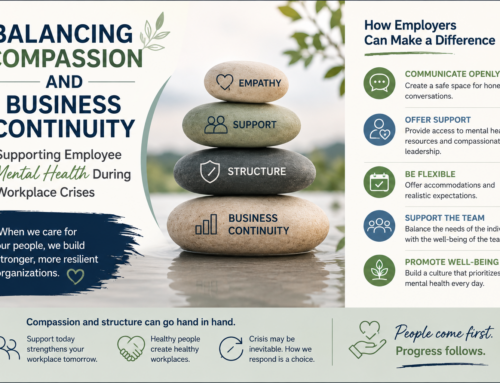
Technology can support wellness, but emotional health still depends heavily on community, self-awareness, and human connection.
Moving Forward With Awareness and Responsibility
AI will continue to shape the future of mental health care and daily life. Its ability to increase access and provide support offers exciting possibilities, but it also requires thoughtful oversight and ethical consideration.
By approaching AI with awareness, balance, and compassion, individuals and communities can benefit from innovation while protecting emotional well-being. The goal should not be to replace human care, but to strengthen the tools and resources that help people feel supported, connected, and understood.
As technology evolves, the importance of mental health awareness and authentic human connection remains more important than ever.