Each June, Men’s Health Month encourages conversations about physical wellness, preventive care, and healthy lifestyle choices. While much of the focus is often on heart health, fitness, and routine checkups, it is equally important to address areas that are less frequently discussed. Mental health and substance use are critical components of men’s overall well-being, yet they are often overlooked due to stigma, cultural expectations, and lack of awareness.
Men’s Health Month is an opportunity to change that narrative and promote a more complete understanding of health.
The Silent Struggle With Mental Health
Mental health challenges affect men across all ages and backgrounds. Conditions such as depression, anxiety, and stress-related disorders are common, but they may not always be openly expressed or recognized.
Many men are influenced by social expectations that emphasize toughness, independence, and emotional control. These expectations can make it difficult to acknowledge emotional struggles or seek help. Instead of talking about their feelings, some men may withdraw, become irritable, or focus solely on work or responsibilities.
Common signs of mental health challenges in men may include:
-
Increased anger or frustration
-
Changes in sleep or appetite
-
Difficulty concentrating
-
Loss of interest in activities
-
Feelings of hopelessness or isolation
Because these signs may not always align with traditional views of mental health, they can go unnoticed or untreated.
The Connection Between Mental Health and Substance Use
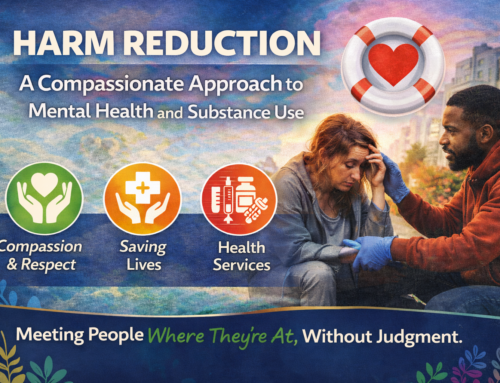
Substance use is often closely linked to mental health. For some men, alcohol or drugs may be used as a way to cope with stress, emotional pain, or unresolved trauma. While this may provide temporary relief, it can lead to long-term consequences for both mental and physical health.
Factors that may contribute to substance use among men include:
-
Pressure to manage stress without expressing emotions
-
Cultural norms that normalize heavy drinking
-
Limited access to mental health support
-
Experiences of trauma or chronic stress
-
Social environments where substance use is common
Substance use can also worsen mental health symptoms, creating a cycle that can be difficult to break without support.
Breaking Stigma and Encouraging Support
One of the biggest barriers to improving mental health outcomes for men is stigma. Many men feel that asking for help is a sign of weakness, when in reality it is a sign of strength and self-awareness.
Men’s Health Month is an opportunity to encourage open conversations and normalize seeking support. This can start with small steps such as checking in with a friend, speaking honestly about stress, or reaching out to a healthcare provider.
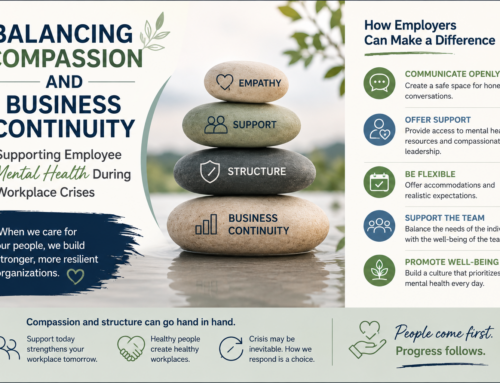
Communities, workplaces, and families can support men’s mental health by:
-
Promoting open and respectful conversations
-
Challenging harmful stereotypes about masculinity
-
Providing access to mental health resources
-
Encouraging regular check-ins and self-care
Promoting Healthy Coping Strategies
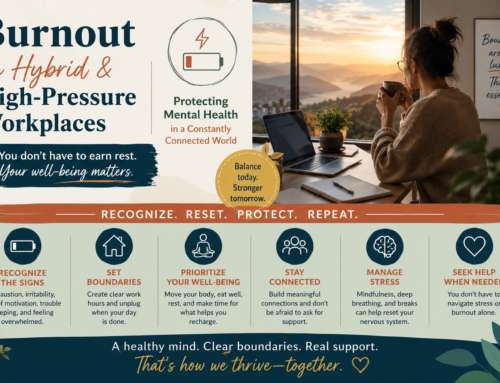
Developing healthy ways to manage stress and emotions is essential for both mental health and reducing the risk of substance use. Some effective strategies include:
-
Engaging in regular physical activity
-
Building strong social connections
-
Practicing mindfulness or relaxation techniques
-
Setting boundaries between work and personal life
-
Seeking professional support when needed
These approaches can help men process emotions, manage stress, and build resilience over time.
Creating a Culture of Whole-Person Health
Men’s Health Month reminds us that health is not just physical. Mental health and substance use are deeply connected to overall well-being and should be part of every conversation about health.
Healthcare providers, organizations, and communities all have a role in creating environments where men feel supported and understood. When mental health is treated with the same importance as physical health, individuals are more likely to seek help and maintain long-term wellness.
Moving Forward With Awareness and Action
Improving men’s health requires breaking down barriers and creating space for honest conversations. By addressing mental health and substance use with compassion and understanding, we can support men in leading healthier, more balanced lives.
This Men’s Health Month, take a moment to check in with yourself and those around you. Starting a conversation or seeking support can be a powerful step toward lasting well-being.