Each May, Global Employee Health and Fitness Month highlights the importance of promoting health and well-being in the workplace. While physical activity and fitness are often central to this initiative, true employee wellness goes beyond movement alone. Mental health and substance use are critical components of overall well-being and deserve equal attention.
Workplaces that take a holistic approach to health can create environments where employees feel supported, productive, and empowered to thrive.
The Connection Between Physical Health and Mental Well-Being
Physical health and mental health are closely linked. Regular movement, balanced nutrition, and adequate rest all contribute to improved mood, reduced stress, and better overall functioning. At the same time, mental health challenges such as anxiety, depression, or burnout can make it more difficult for individuals to engage in healthy habits.
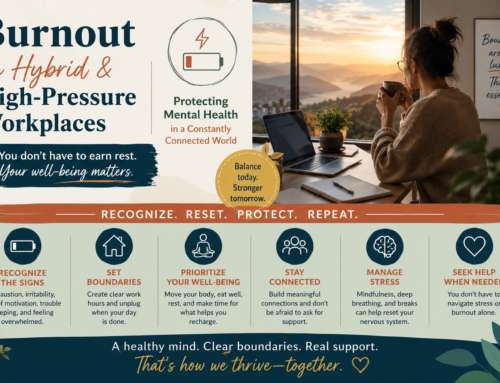
In today’s fast-paced work environments, employees often face high expectations, tight deadlines, and ongoing pressure to perform. Without proper support, these demands can lead to chronic stress and emotional exhaustion.
Global Employee Health and Fitness Month is an opportunity for organizations to recognize that mental well-being is just as important as physical fitness.
Workplace Stress and Its Impact
Stress is one of the most common challenges employees face. While some level of stress can be motivating, prolonged or unmanaged stress can negatively affect both mental and physical health.
Employees experiencing high levels of stress may report:
-
Difficulty concentrating or making decisions
-
Increased irritability or mood changes
-
Fatigue or trouble sleeping
-
Decreased motivation or engagement
-
Physical symptoms such as headaches or muscle tension
Over time, chronic stress can contribute to burnout, reduced job satisfaction, and even increased risk of substance use.
Understanding Substance Use in the Workplace
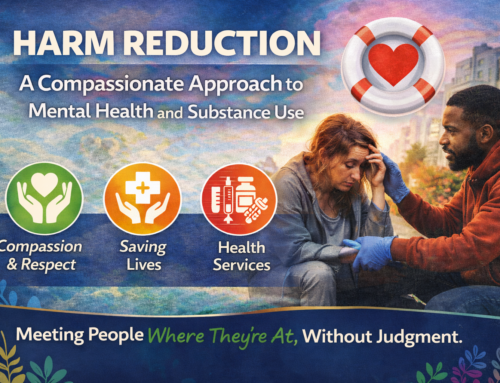
Substance use is a complex issue that can affect employees across all industries and roles. In some cases, individuals may turn to alcohol or other substances as a way to cope with stress, workload pressures, or personal challenges.
Common workplace-related factors that may contribute to substance use include:
-
High stress or demanding workloads
-
Long or irregular hours
-
Workplace culture that normalizes alcohol use
-
Lack of access to mental health support
-
Job insecurity or financial pressure
While substance use may offer temporary relief, it can lead to long-term consequences for health, safety, and job performance. Addressing substance use requires understanding, support, and access to appropriate resources.
Creating a Culture of Support
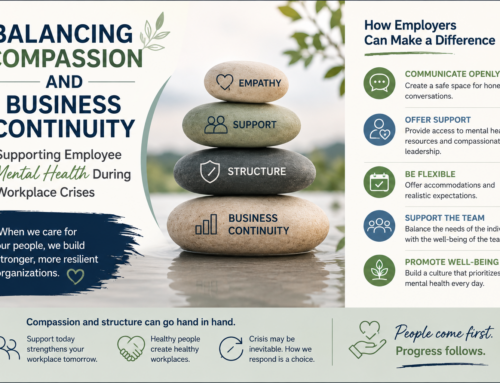
Employers play a key role in shaping workplace culture and supporting employee well-being. A supportive environment encourages open conversations, reduces stigma, and helps employees feel comfortable seeking help.
Strategies to promote a healthy workplace include:
-
Providing access to mental health resources, such as counseling or employee assistance programs
-
Encouraging regular breaks and work-life balance
-
Promoting physical activity, such as walking meetings or wellness challenges
-
Offering education on stress management and substance use awareness
-
Training managers to recognize signs of stress or substance use concerns
Creating a culture of support benefits not only individual employees but also the organization as a whole.
Encouraging Healthy Coping Strategies
Helping employees develop healthy ways to manage stress can reduce the risk of mental health challenges and substance use. Some effective strategies include:
-
Mindfulness practices such as deep breathing or meditation
-
Regular physical activity
-
Building strong social connections at work
-
Setting realistic goals and boundaries
-
Taking time off to rest and recharge
Employers can support these efforts by modeling healthy behaviors and encouraging participation in wellness initiatives.
Moving Toward Whole-Person Wellness
Global Employee Health and Fitness Month is a reminder that employee wellness is multifaceted. Physical fitness, mental health, and substance use are all interconnected aspects of well-being.
By taking a comprehensive approach, organizations can create workplaces where employees feel valued, supported, and equipped to succeed. Investing in employee health is not just a benefit. It is a foundation for long-term productivity, engagement, and overall workplace success.
This month, let it be a priority to support the whole person, not just the role they fill.