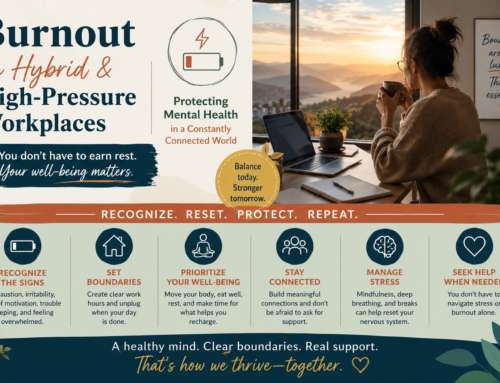
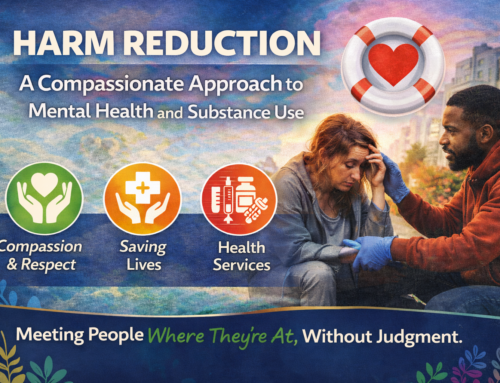
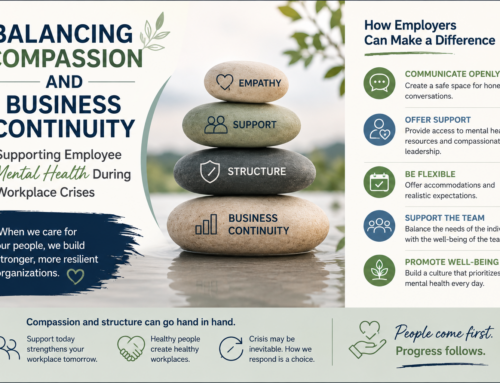
Mental Health Awareness Month serves as an important reminder to prioritize emotional well-being and reduce stigma surrounding mental health challenges. It is a time to encourage open conversations, promote access to care, and support individuals and families navigating mental health conditions. It is also an opportunity to highlight the strong connection between mental health and substance use, which often intersect in ways that require understanding, compassion, and comprehensive care.
The Importance of Mental Health Awareness
Mental health is an essential part of overall well-being. It affects how we think, feel, and act, and it plays a role in how we handle stress, build relationships, and make decisions. Mental health challenges such as anxiety, depression, trauma-related conditions, and mood disorders are common and affect people from all backgrounds.
Despite how common these experiences are, stigma can prevent individuals from seeking help. Fear of judgment, misunderstanding, or discrimination may lead people to suffer in silence. Mental Health Awareness Month encourages individuals and communities to break down these barriers and create supportive environments where seeking help is normalized.
The Link Between Mental Health and Substance Use
Mental health and substance use are closely connected. Many individuals who experience mental health challenges may turn to substances such as alcohol or drugs as a way to cope with difficult emotions. While this may provide temporary relief, it often leads to increased distress over time.
Some common connections include:
-
Individuals with anxiety or depression may use substances to manage symptoms
-
Trauma and unresolved emotional pain can increase the risk of substance use
-
Substance use can worsen mental health symptoms or contribute to new ones
-
Both conditions can influence each other, creating a cycle that is difficult to break
This combination is often referred to as co-occurring conditions. Treating both mental health and substance use together is essential for effective recovery.
Recognizing Signs and Seeking Support
Understanding the signs of mental health challenges and substance use can help individuals seek support earlier. Some signs may include:
-
Changes in mood, behavior, or energy levels
-
Difficulty concentrating or completing daily tasks
-
Withdrawal from social connections
-
Increased use of alcohol or other substances
-
Changes in sleep or appetite
Recognizing these signs in yourself or others is the first step toward seeking help. Support can come in many forms, including therapy, counseling, peer support groups, and medical care.
Reducing Stigma and Encouraging Open Conversations
One of the most important goals of Mental Health Awareness Month is to reduce stigma. Open conversations about mental health and substance use can help individuals feel less alone and more willing to seek support.
Communities, workplaces, and families can contribute by:
-
Talking openly about mental health and well-being
-
Sharing accurate information and resources
-
Encouraging supportive and nonjudgmental communication
-
Recognizing that mental health conditions are treatable health concerns
When stigma is reduced, access to care improves and outcomes are often better.
Promoting Healthy Coping Strategies
Developing healthy coping strategies can support both mental health and reduce the risk of substance use. Some helpful approaches include:
-
Practicing mindfulness or relaxation techniques
-
Engaging in regular physical activity
-
Building supportive relationships
-
Maintaining a consistent routine
-
Seeking professional help when needed
These strategies can help individuals manage stress, regulate emotions, and build resilience over time.
Moving Toward Whole-Person Wellness
Mental Health Awareness Month reminds us that mental health is not separate from the rest of our lives. It is connected to physical health, relationships, and daily habits. Addressing substance use as part of mental health care allows for a more complete and effective approach to well-being.
By increasing awareness, promoting compassion, and encouraging access to care, we can create communities where individuals feel supported in their journey toward healing.
This month, take time to check in with yourself and others. Small steps such as starting a conversation or seeking support can lead to meaningful change.