To truly honor this month, we must look honestly at the systems, expectations, and barriers that contribute to these struggles, and commit to acceptance that supports wellbeing, not conformity.
Living in a World Not Designed for Autistic Minds
One of the greatest challenges autistic people face is not autism itself, but navigating a world built around neurotypical norms. Sensory overload, unspoken social rules, and constant pressure to “fit in” can create chronic stress. Everyday environments – workplaces, schools, healthcare settings – can be overwhelming, exhausting, and emotionally draining.
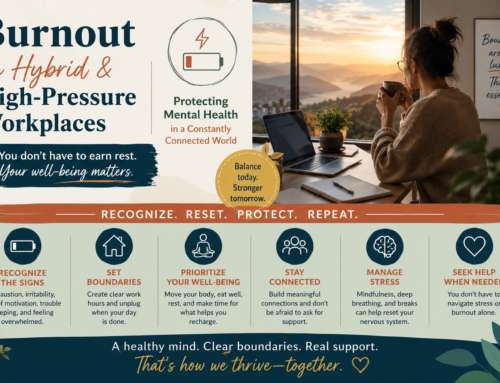
Many autistic individuals engage in masking, consciously or unconsciously suppressing natural behaviors in order to appear more socially acceptable. While masking can help with short-term social navigation, it often comes at a significant cost. Long-term masking has been linked to anxiety, depression, burnout, and a deep sense of disconnection from one’s authentic self.
Mental Health Struggles in the Autistic Community
Autistic people experience higher rates of anxiety, depression, trauma, and suicidal ideation than the general population. These challenges are not inherent to autism, but rather the result of ongoing marginalization, misunderstanding, and a lack of support.
Late diagnosis or misdiagnosis can further complicate mental health. Many autistic adults grow up without understanding why they feel different, leading to internalized shame, self-blame, and chronic stress. Without appropriate accommodations or validation, mental health needs may go unmet for years.
Accessing mental health care can also be difficult. Traditional therapy models may not always be accessible or effective for autistic individuals, especially when providers lack autism-informed training. This gap in care leaves many struggling without adequate support.
Substance Use as a Coping Strategy
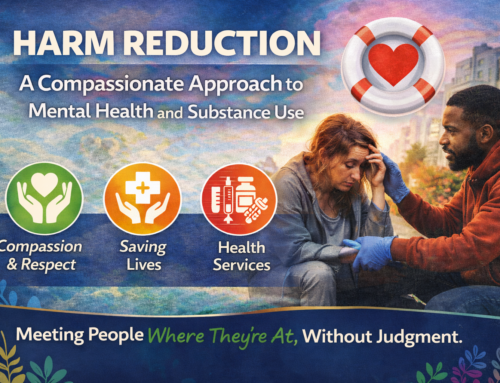
Substance use among autistic individuals is often misunderstood or overlooked. While some autistic individuals avoid substances due to sensory sensitivity or strong routines, others may turn to alcohol or drugs as a way to cope with anxiety, social pressure, or emotional overwhelm.
Substances may temporarily reduce sensory overload, ease social interactions, or numb feelings of isolation. However, they do not address the root causes of distress and can introduce additional risks. Autistic individuals may be particularly vulnerable to negative effects due to differences in sensory processing, medication interactions, or difficulty recognizing internal bodily cues.
Importantly, substance use should not be framed as a moral failing. Like many coping behaviors, it often emerges in response to unmet needs, chronic stress, or a lack of safe alternatives.
The Impact of Stigma and Invisibility
Stigma remains a powerful force. Autistic adults – especially women, people of color, LGBTQ+ individuals, and those with lower support needs – are often overlooked in conversations about autism. Their struggles may be dismissed because they appear “high functioning,” a term that minimizes real challenges and discourages help-seeking.
This invisibility can deepen mental health struggles and increase reliance on unhealthy coping mechanisms. When people feel unseen or invalidated, they are less likely to reach out for support and more likely to suffer in silence.
Acceptance as Prevention and Care
Acceptance is not passive, it is protective. When autistic people are accepted as they are, with accommodations that honor their needs, mental health outcomes improve. Acceptance reduces the pressure to mask, lowers chronic stress, and creates environments where individuals can thrive.
Autism-affirming mental health care recognizes sensory needs, communication differences, and diverse ways of processing emotions. It prioritizes collaboration, consent, and respect rather than compliance. These approaches are essential not only for treating mental health challenges, but also for preventing substance misuse.
Community, Connection, and Belonging
Belonging is a powerful protective factor against both mental health struggles and substance use. Peer support groups, autistic-led communities, and inclusive spaces offer validation and understanding that cannot always be found elsewhere.
Connection does not have to look the same for everyone. For some autistic individuals, deep one-on-one relationships, online communities, or shared-interest spaces provide meaningful support. Valuing diverse forms of connection helps reduce isolation and supports wellbeing.
Moving From Awareness to Action
Autism Awareness and Acceptance Month is a call to action. Supporting mental health and reducing substance use risk requires systemic change – accessible healthcare, inclusive education, workplace accommodations, and policies shaped by autistic voices.
It also requires listening. Autistic people are experts in their own experiences. Centering their perspectives leads to better care, stronger communities, and more effective solutions.
Honoring Autistic Lives Fully
Autistic lives are rich, complex, and valuable. Mental health struggles and substance use challenges do not diminish that value, they highlight the need for understanding, support, and acceptance.
This month, let us move beyond awareness toward meaningful acceptance. Let us create environments where autistic people do not have to mask to survive, self-medicate to cope, or struggle alone to be understood.
Acceptance is not about changing autistic people, it is about changing the world around them. And when we do, we create space for healthier minds, safer coping, and lives lived with dignity and authenticity.