Juneteenth, observed each year on June 19, commemorates the day in 1865 when the last enslaved people in the United States were informed of their freedom. It is a powerful and meaningful moment in American history that celebrates liberation, resilience, and progress. While Juneteenth is often marked with gatherings, education, and cultural celebration, it also provides an opportunity to reflect on ongoing challenges that impact Black communities today, including mental health and substance use.
Recognizing these connections allows for a deeper understanding of both historical and present-day experiences, and it encourages a more compassionate approach to wellness and healing.
The Historical Impact on Mental Health
The legacy of slavery, segregation, and systemic inequality has had long-lasting effects on mental health in Black communities. Generational trauma, discrimination, and social inequities continue to influence emotional well-being today.
Experiences such as racial discrimination, economic disparities, and unequal access to healthcare can contribute to chronic stress. Over time, this stress can affect both mental and physical health. Feelings of anxiety, depression, and emotional exhaustion are not uncommon, yet they are often underrecognized or untreated.
Juneteenth is not only a celebration of freedom but also a reminder of the importance of acknowledging and addressing these historical and ongoing impacts.
Mental Health in Black Communities Today
Mental health challenges affect individuals across all backgrounds, but Black individuals often face unique barriers when seeking support. These may include:
-
Stigma surrounding mental health discussions
-
Limited access to culturally responsive care
-
Distrust in healthcare systems due to historical injustices
-
Financial or structural barriers to treatment
-
Pressure to appear strong or self-reliant
Because of these challenges, many individuals may delay or avoid seeking help. Juneteenth offers an opportunity to promote awareness and encourage open conversations about mental health within families and communities.
Understanding Substance Use in Context
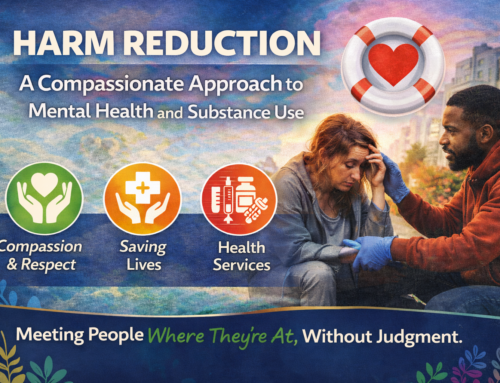
Substance use is another area that intersects with mental health and social conditions. For some individuals, substances may be used as a way to cope with stress, trauma, or emotional pain.
It is important to recognize that substance use does not occur in isolation. Factors such as systemic inequality, community stress, and lack of access to care can all contribute to increased risk.
Additionally, Black communities have historically faced unequal responses to substance use, often experiencing criminalization rather than treatment and support. This history can create barriers to seeking help and contribute to ongoing stigma.
Approaching substance use with empathy and understanding is essential. Focusing on the underlying causes can lead to more effective and supportive solutions.
The Power of Community and Cultural Strength
One of the most important aspects of Juneteenth is the emphasis on community. Celebrations often include family gatherings, music, food, and shared reflection. These traditions highlight the strength and unity that continue to define Black culture.
Community support plays a vital role in mental health and recovery. Strong social connections can reduce feelings of isolation, provide emotional support, and encourage individuals to seek help when needed.
Faith communities, cultural organizations, and local groups also serve as important sources of guidance and connection. These spaces can help normalize conversations about mental health and substance use while offering culturally grounded support.
Promoting Healing and Wellness
Supporting mental health and addressing substance use requires a holistic approach that considers the whole person and their environment. Some meaningful steps include:
-
Encouraging open and honest conversations about mental health
-
Increasing access to culturally competent care and resources
-
Supporting community-based programs and initiatives
-
Promoting education about substance use and healthy coping strategies
-
Creating safe spaces where individuals feel heard and respected
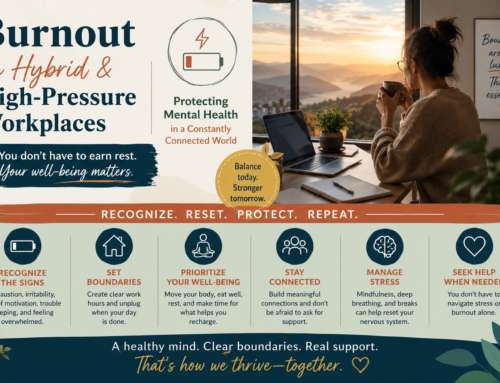
Individuals can also take steps to support their own well-being by building strong connections, practicing stress management techniques, and seeking professional help when needed.
Moving Forward With Awareness and Compassion
Juneteenth is a celebration of freedom, resilience, and progress. It is also a time to reflect on the work that remains in achieving true equity and well-being.
By acknowledging the connections between mental health, substance use, and historical experiences, we can better support individuals and communities. Awareness leads to understanding, and understanding leads to action.
This Juneteenth, let us honor the past while committing to a future that prioritizes healing, support, and compassionate care for all.