National Minority Health Month is a time to recognize the persistent health disparities affecting racial and ethnic minority communities—and to reaffirm the importance of equity, access, and justice in healthcare. While conversations often focus on physical health outcomes such as heart disease or diabetes, mental health and substance use are equally critical, and too often overlooked.
Mental health struggles and substance use disorders do not occur in isolation. They are shaped by social conditions, lived experiences, and systems that have historically marginalized minority communities. Understanding this broader context is essential if we want to move from awareness to meaningful change.
The Mental Health Impact of Inequity
Racial and ethnic minority communities face unique and ongoing stressors that directly affect mental health. Experiences of racism, discrimination, and microaggressions—both overt and subtle—create chronic stress that accumulates over time. This stress can contribute to anxiety, depression, trauma-related symptoms, and emotional exhaustion.
Structural inequities such as limited access to quality education, safe housing, stable employment, and healthcare further compound mental health risk. For many individuals, stress is not episodic—it is persistent, rooted in daily realities that offer little relief.
Yet despite increased exposure to risk factors, mental health concerns in minority communities are often underdiagnosed and undertreated. Cultural stigma, mistrust of healthcare systems, language barriers, and lack of culturally responsive care all play a role in preventing people from seeking or receiving support.
Substance Use as a Response to Unmet Needs
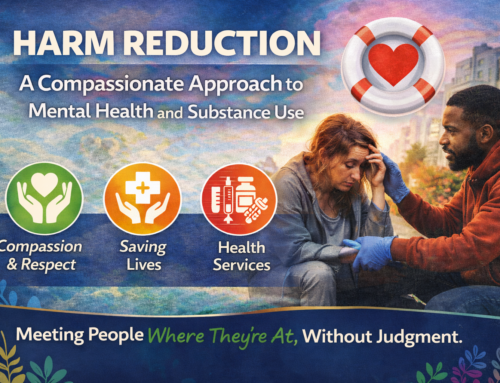
Substance use in minority communities is frequently misunderstood and unfairly stigmatized. Public narratives often focus on criminalization rather than care, reinforcing harmful stereotypes and ignoring the underlying causes of substance use.
For many individuals, substances become a way to cope with emotional pain, trauma, stress, or isolation—especially when healthier supports are inaccessible. Alcohol or drugs may offer temporary relief from anxiety, exhaustion, or hopelessness, but they do not address the root causes and can lead to additional harm.
It is important to note that while substance use rates may be similar across racial groups, minority communities are more likely to face punitive responses rather than treatment. This disparity deepens trauma, disrupts families, and erodes trust in systems meant to protect health.
Historical Trauma and Intergenerational Impact
Mental health and substance use challenges in minority communities cannot be separated from history. Slavery, colonization, forced migration, segregation, and discriminatory policies have left lasting impacts on community wellbeing. These experiences contribute to intergenerational trauma—patterns of stress and coping that can be passed down through families and communities.
Historical trauma does not mean communities are broken. It means they have endured profound harm while often being denied resources for healing. Acknowledging this history is a necessary step toward building effective, compassionate care.
Barriers to Mental Health and Substance Use Treatment
Access remains a major challenge. Minority communities are more likely to experience shortages of mental health providers, particularly those who share cultural or linguistic backgrounds. Insurance gaps, transportation barriers, inflexible work schedules, and fear of discrimination further limit access to care.
Even when services are available, they may not feel safe or relevant. Mental health and substance use treatment that ignores cultural values, family structures, or community strengths can feel alienating or ineffective.
Culturally responsive, trauma-informed care is not optional—it is essential for reducing disparities and improving outcomes.
Strength, Resilience, and Community Healing
Despite systemic barriers, minority communities have long relied on resilience, mutual support, and cultural traditions to survive and heal. Faith communities, extended families, storytelling, advocacy, and grassroots organizations have played vital roles in supporting mental health and recovery.
Community-based approaches are powerful protective factors. Peer support, culturally grounded prevention programs, and community leadership increase trust and engagement while honoring lived experience.
National Minority Health Month is an opportunity not only to highlight disparities, but also to uplift these strengths and amplify community-driven solutions.
Moving From Awareness to Action
Addressing mental health and substance use disparities requires more than recognition—it requires action. This includes investing in prevention, expanding access to culturally responsive care, diversifying the healthcare workforce, and shifting from punitive systems to supportive ones.
Policy change matters. So does accountability. Health equity means ensuring that everyone has the opportunity to achieve mental wellbeing, regardless of race, ethnicity, or zip code.
It also means listening. Communities most affected by disparities must be centered in decision-making. Lived experience is expertise, and sustainable solutions must be shaped by those they are meant to serve.
A Commitment to Equity and Care
National Minority Health Month reminds us that mental health and substance use are public health issues deeply tied to equity and justice. When systems fail to meet people’s needs, the consequences are not evenly distributed.
By addressing mental health and substance use through an equity lens—one rooted in compassion, cultural understanding, and systemic change—we move closer to a future where health is not determined by identity.
This month, let us recommit to building a healthcare system that sees the whole person, honors community strength, and provides care without stigma or barriers. Mental health equity is not a side issue—it is central to the health and dignity of us all.