National Public Health Week is a time to reflect on the systems that shape our health – not just in moments of crisis, but in the rhythms of everyday life. Public health is often associated with vaccines, sanitation, and disease prevention, yet one of its most pressing responsibilities lies in addressing mental health challenges and substance use. These issues are not isolated personal struggles; they are public health concerns shaped by policy, access, environment, and equity.
To improve population health, we must recognize that mental wellbeing and substance use outcomes are deeply connected to the conditions in which people live, work, and grow.
Mental Health as a Public Health Priority
Mental health affects individuals, families, workplaces, and communities. Anxiety, depression, trauma, and chronic stress are among the leading causes of disability worldwide. When left unaddressed, mental health challenges contribute to poorer physical health, reduced productivity, and increased healthcare costs.
From a public health perspective, mental health is influenced by factors such as housing stability, food security, education, discrimination, and access to care. When communities lack resources or face systemic inequities, rates of mental health challenges increase. These patterns highlight the need for prevention strategies that go beyond individual treatment and address root causes.
The Role of Stress and Social Determinants
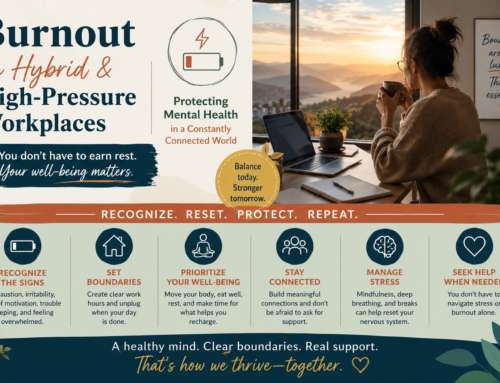
Chronic stress is a major driver of both mental health struggles and substance use. Economic instability, unsafe neighborhoods, caregiving responsibilities, workplace pressure, and exposure to violence all contribute to prolonged stress responses.
Public health frameworks emphasize social determinants of health – the conditions that shape wellbeing long before someone enters a clinic. When people are consistently exposed to stress without adequate support, their risk for anxiety, depression, and burnout rises. Over time, substances may be used to cope with emotional pain, sleep disruption, or exhaustion.
Understanding substance use through this lens shifts the focus from punishment to prevention and care.
Substance Use as a Public Health Issue
Substance use disorders affect millions of individuals and families, yet stigma often prevents effective responses. Public health recognizes substance use as a complex condition influenced by biology, environment, trauma, and access to resources.
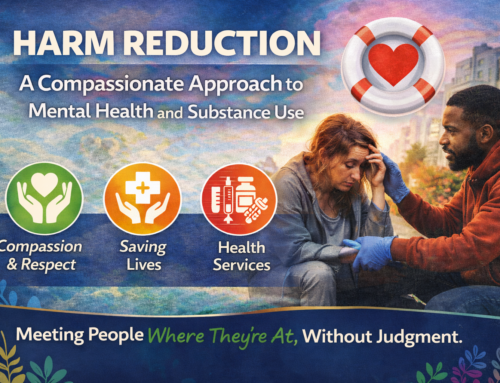
Punitive approaches have failed to reduce harm. Instead, evidence-based public health strategies; harm reduction, early intervention, and community-based treatments, save lives. Addressing substance use requires investment in mental health services, housing, education, and employment opportunities.
Public health also plays a critical role in overdose prevention, medication-assisted treatment, and reducing barriers to care, particularly for marginalized populations disproportionately affected by substance-related harm.
Inequities and Disparities in Mental Health and Substance Use
Mental health and substance use challenges do not affect all communities equally. Racial and ethnic minorities, low-income populations, LGBTQ+ individuals, and people with disabilities often face higher risk and greater barriers to care.
Structural racism, discrimination, and historical trauma contribute to disparities in mental health outcomes. At the same time, these communities are more likely to experience criminalization rather than treatment for substance use, perpetuating cycles of harm.
Public health approaches grounded in equity prioritize culturally responsive care, community leadership, and policies that address discrimination and access gaps.
Prevention Begins Early
Public health emphasizes prevention across the lifespan. Supporting mental health in childhood – through safe housing, quality education, nutrition, and trauma-informed schools – reduces the risk of later substance use and mental illness.
Early intervention programs, community-based support, and accessible mental health education empower individuals before crises emerge. Prevention also includes normalizing conversations about mental health and reducing stigma, making it easier to seek help early.
The Power of Community-Based Solutions
Communities are central to public health. Peer support programs, local nonprofits, faith-based organizations, and grassroots initiatives play essential roles in supporting mental health and recovery.
Public health strategies work best when they are shaped by the communities they serve. Lived experience brings insight, trust, and relevance to program design. Investing in community-based solutions strengthens resilience and sustainability.
Integrating Mental Health Into Public Health Systems
For too long, mental health and substance use have been siloed from broader public health efforts. Integration is essential. Screening for mental health concerns in primary care, schools, and workplaces increases early identification. Coordinated care models improve outcomes and reduce strain on emergency systems.
Public health agencies are uniquely positioned to lead this integration – using data, policy, and partnerships to scale effective interventions.
Moving From Awareness to Action
National Public Health Week challenges us to move beyond awareness toward action. Addressing mental health and substance use requires sustained investment, political will, and public engagement.
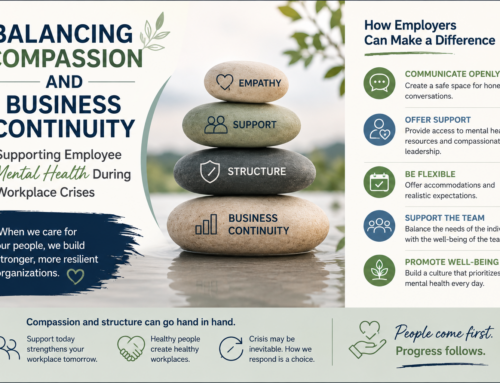
This means funding prevention programs, expanding access to care, supporting the public health workforce, and addressing the social conditions that drive distress. It also means listening; to communities, to people with lived experience, and to public health professionals working on the front lines.
A Collective Responsibility
Mental health and substance use are not personal failures, they are public health challenges that demand collective solutions. When we prioritize wellbeing at the community level, we reduce suffering, strengthen resilience, and create healthier futures for all.
This National Public Health Week, let us reaffirm our commitment to public health that cares for the whole person. By addressing mental health and substance use with compassion, equity, and evidence-based strategies, we take meaningful steps toward a society where health is not a privilege, but a shared responsibility.