In today’s workplace, employees are looking for more than a paycheck. They want to feel respected, appreciated, and supported in environments where they can grow professionally while maintaining their well-being. Organizations that prioritize employee support are more likely to experience stronger morale, better retention, improved collaboration, and healthier workplace dynamics.
Creating a culture where employees feel valued is not about occasional perks or motivational slogans. It is about building an environment where people feel seen, heard, and supported on a consistent basis. When employees feel psychologically safe and genuinely appreciated, both individuals and organizations benefit.
Why Workplace Culture Matters
Workplace culture shapes how employees experience their jobs each day. It influences communication, trust, motivation, and emotional well-being. A positive culture can increase engagement and productivity, while a negative environment can contribute to stress, burnout, and turnover.
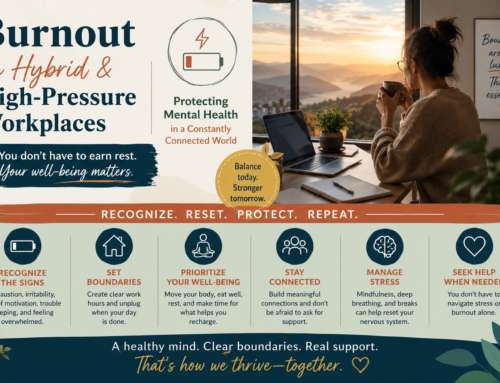
Employees who feel unsupported may experience:
- Increased stress and anxiety
- Emotional exhaustion and burnout
- Reduced motivation and engagement
- Feelings of isolation or disconnection
- Higher risk of mental health challenges
Over time, these experiences can affect team performance, workplace relationships, and overall organizational success.
Creating a supportive culture is not only beneficial for employees. It is a long-term investment in the health and sustainability of the business.
The Importance of Feeling Valued
Feeling valued goes beyond compensation or performance reviews. Employees want to know that their contributions matter and that they are respected as individuals, not just workers.
This can be reflected through:
- Recognition and appreciation for contributions
- Opportunities for growth and development
- Inclusion in conversations and decision-making
- Respect for boundaries and work-life balance
- Genuine care for employee well-being
When employees feel valued, they are more likely to remain engaged, communicate openly, and contribute positively to workplace culture.
Supporting Mental Health in the Workplace
Mental health plays a major role in employee well-being and job performance. High workloads, unclear expectations, and ongoing stress can negatively impact emotional health if not addressed.
Organizations that support mental health create environments where employees feel safer discussing challenges and seeking support when needed.
Helpful approaches may include:
- Offering access to mental health resources or Employee Assistance Programs
- Encouraging healthy work-life balance
- Providing flexibility when possible
- Training managers to recognize signs of burnout or emotional distress
- Promoting open conversations around stress and mental wellness
Reducing stigma around mental health is also essential. Employees should feel comfortable asking for support without fear of judgment or negative consequences.
The Role of Leadership
Leadership has a direct impact on workplace culture. Employees often take cues from how managers communicate, respond to stress, and treat others.
Supportive leaders help build trust by:
- Communicating openly and respectfully
- Listening actively to employee concerns
- Providing constructive feedback and encouragement
- Modeling healthy boundaries and balance
- Recognizing employee efforts consistently
Small actions from leadership can have a significant impact on how employees feel within an organization.
Building Connection and Inclusion
Employees are more likely to thrive in workplaces where they feel connected to their teams and included in the organization’s culture. Strong workplace relationships can improve collaboration, morale, and emotional well-being.
Ways to strengthen connection include:
- Encouraging team collaboration and communication
- Creating opportunities for employee feedback
- Celebrating achievements and milestones
- Supporting diversity, equity, and inclusion initiatives
- Fostering environments where all voices are respected
Connection and belonging are important protective factors against stress and burnout.
Supporting Employees During Difficult Times
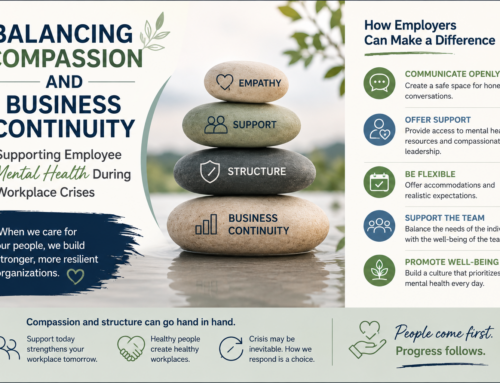
Employees will inevitably face personal and professional challenges. Organizations that respond with compassion and flexibility during difficult moments build stronger loyalty and trust.
Support may include:
- Flexible scheduling during emergencies
- Mental health accommodations when appropriate
- Clear communication and realistic expectations
- Access to support resources and referrals
Compassionate support does not weaken workplace standards. It strengthens workplace relationships and long-term stability.
Creating a Sustainable Workplace Culture
Building a supportive workplace culture requires ongoing commitment. It is not a one-time initiative or a short-term trend. Employees notice when organizations consistently follow through on their values.
Healthy workplace cultures are built through daily actions, communication, and leadership practices that prioritize both performance and well-being.
Moving Forward With Intention
Employees who feel supported and valued are more likely to contribute meaningfully, collaborate effectively, and remain committed to their organizations. Creating this type of culture benefits not only individual well-being but also the overall success of the workplace.
Organizations that prioritize empathy, communication, and mental health create environments where people can do their best work while feeling respected as human beings. In today’s evolving workplace, support and connection are no longer optional. They are essential.