The modern workplace has changed dramatically in recent years. Hybrid schedules, remote work, digital communication, and increased performance expectations have created new opportunities for flexibility and productivity. At the same time, these changes have also contributed to rising levels of stress and burnout among employees across industries.
Burnout is more than feeling tired after a busy week. It is a state of emotional, mental, and physical exhaustion caused by prolonged stress and overwhelming demands. In hybrid and high-pressure work environments, burnout has become a growing mental health concern that affects not only job performance, but overall well-being and quality of life.
Understanding the mental health impact of burnout is an important step toward creating healthier and more sustainable workplaces.
The Mental Health Impact of Burnout
Burnout often develops gradually. Employees may begin by feeling overworked or emotionally drained, but over time these feelings can intensify and begin affecting mental health in significant ways.
Common signs of burnout may include:
- Chronic exhaustion or low energy
- Difficulty concentrating or staying motivated
- Increased irritability or frustration
- Anxiety related to workload or performance
- Feelings of hopelessness or emotional detachment
- Trouble sleeping or disconnecting from work
In high-pressure environments, employees may feel constant pressure to remain available, productive, and responsive. Hybrid work can blur the boundaries between professional and personal life, making it harder to fully rest and recharge.
Without proper support, burnout can contribute to anxiety, depression, and emotional fatigue that extends beyond the workplace.
Why Hybrid Work Can Increase Stress
Hybrid work offers flexibility, but it also introduces unique challenges that can impact mental health. Employees may struggle to create clear boundaries between work and home life, especially when digital communication never seems to stop.
Some common stressors include:
- Feeling expected to respond outside normal work hours
- Difficulty disconnecting from work responsibilities
- Isolation or reduced social connection with coworkers
- Pressure to prove productivity while working remotely
- Frequent transitions between home and office environments
While flexibility can improve work-life balance for some, others may experience increased mental strain from constantly adapting to changing expectations.
The Culture of Constant Productivity
Many high-pressure workplaces reward long hours, nonstop availability, and constant performance. Over time, this culture can lead employees to ignore signs of stress or feel guilty for taking breaks.
This mindset can negatively affect mental health by encouraging:
- Perfectionism and fear of failure
- Reduced self-care and personal time
- Increased stress and emotional exhaustion
- Difficulty asking for help or setting boundaries
Employees may feel that slowing down is not an option, even when their mental and emotional health are suffering.
The Connection Between Burnout and Substance Use
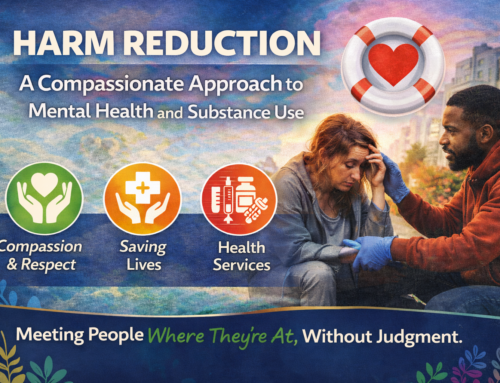
Burnout and chronic stress can also increase the risk of substance use. Some individuals may turn to alcohol, stimulants, or other substances to cope with pressure, improve focus, or relax after work.
Common contributing factors may include:
- High stress and emotional exhaustion
- Difficulty sleeping or unwinding
- Pressure to maintain productivity
- Lack of healthy coping strategies
- Isolation or reduced social support
While substances may offer temporary relief, they often worsen mental health over time and can contribute to dependency, anxiety, and emotional instability.
Creating Healthier Work Environments
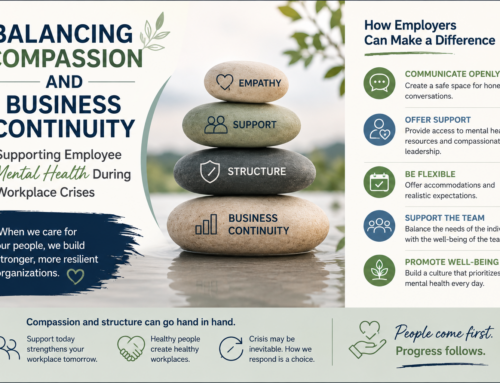
Reducing burnout requires both individual and organizational efforts. Workplaces that prioritize mental health create environments where employees feel supported, valued, and able to maintain balance.
Helpful strategies may include:
- Encouraging realistic workloads and expectations
- Supporting work-life balance and flexible boundaries
- Promoting mental health resources and employee assistance programs
- Encouraging regular breaks and time off
- Creating open conversations around stress and burnout
Leadership also plays an important role. Managers who model healthy boundaries and prioritize employee well-being help create a culture where mental health is respected.
Supporting Personal Mental Wellness
Employees can also take steps to protect their mental health in demanding work environments. Healthy habits and intentional boundaries can reduce stress and improve resilience.
Helpful approaches include:
- Setting clear work hours and unplugging after work
- Prioritizing sleep, movement, and nutrition
- Practicing mindfulness or stress management techniques
- Staying connected with supportive friends and coworkers
- Seeking professional support when stress becomes overwhelming
Recognizing burnout early and responding with care is essential for long-term well-being.
Moving Toward Sustainable Success
Productivity and success should not come at the expense of mental health. As workplaces continue to evolve, there is an opportunity to create healthier environments that value both performance and well-being.
Reducing burnout in hybrid and high-pressure workplaces requires awareness, compassion, and a commitment to balance. When employees feel mentally supported, they are more engaged, creative, and resilient.
Creating a culture that prioritizes mental health benefits individuals, teams, and organizations alike.