Every workplace will eventually face moments when employees experience personal or professional crises. These situations may include mental health struggles, family emergencies, grief, substance use concerns, medical issues, or unexpected life events that affect an employee’s ability to work and function at their usual capacity.
For employers and leaders, these moments can be challenging to navigate. Organizations must continue operating effectively while also supporting employees with compassion and care. Finding the balance between empathy and business continuity is not always easy, but it is essential for building healthy workplaces, protecting mental health, and maintaining long-term organizational stability.
The Human Impact of Employee Crises
When employees experience crises, the effects often extend beyond productivity. Mental and emotional strain can impact focus, communication, decision-making, and relationships within the workplace.
Employees facing difficult circumstances may experience:
- Anxiety and chronic stress
- Emotional exhaustion or burnout
- Difficulty concentrating or completing tasks
- Increased absenteeism
- Feelings of shame, fear, or isolation
In some cases, employees may also struggle with substance use as a way to cope with overwhelming emotions or stress. Without support, these challenges can worsen and affect both individual well-being and team dynamics.
Employers who recognize the emotional impact of crises are better positioned to respond in ways that protect both the employee and the organization.
Why Compassion Matters in the Workplace
Compassionate leadership does not mean lowering expectations or ignoring business needs. It means responding to employees as human beings while creating pathways for accountability, support, and recovery.
When employees feel supported during difficult times, organizations often benefit from:
- Increased trust and loyalty
- Higher employee retention
- Improved workplace morale
- Reduced stigma around mental health
- Stronger communication and engagement
Employees are more likely to seek help early when they believe they will be treated with understanding rather than judgment. Early support can prevent situations from escalating into larger mental health or workplace crises.
The Risks of Ignoring Mental Health Concerns
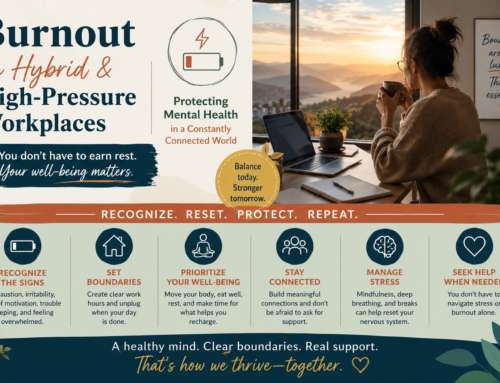
Workplaces that ignore or minimize employee struggles may unintentionally contribute to worsening mental health conditions. Employees who feel unsupported may disengage, experience increased burnout, or avoid seeking help altogether.
A culture that prioritizes performance without acknowledging emotional well-being can lead to:
- Increased workplace stress and anxiety
- Higher rates of burnout and turnover
- Reduced productivity over time
- Greater risk of workplace conflict
- Increased substance use or unhealthy coping behaviors
Mental health concerns do not disappear when ignored. In many cases, they become more difficult and costly to address later.
Creating a Supportive and Structured Response
Balancing compassion with business continuity requires thoughtful planning and clear communication. Employers can support employees while maintaining workplace stability by creating structured and supportive approaches to crises.
Helpful strategies include:
- Encouraging open communication between employees and leadership
- Training managers to recognize signs of emotional distress
- Providing access to Employee Assistance Programs or mental health resources
- Offering flexible accommodations when appropriate
- Establishing clear expectations and return-to-work plans
Consistency is also important. Employees should know what support is available and what steps will be taken if challenges arise.
Supporting Employees Without Overextending Teams
One of the biggest concerns employers face is maintaining team productivity while supporting employees in crisis. Compassionate leadership should include balancing the needs of the individual with the well-being of the broader team.
This may involve:
- Redistributing responsibilities temporarily
- Encouraging realistic workloads and priorities
- Communicating changes clearly while respecting privacy
- Monitoring team stress levels and morale
When handled thoughtfully, support for one employee can strengthen workplace culture rather than disrupt it.
Addressing Substance Use With Care and Accountability
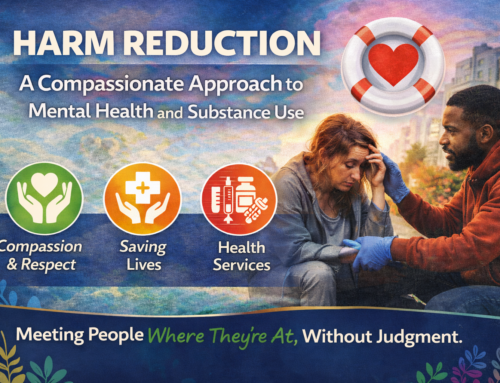
Substance use concerns in the workplace require a balanced approach that combines accountability with support. Employers should focus on safety, well-being, and access to resources rather than punishment alone.
Supportive approaches may include:
- Encouraging confidential access to treatment resources
- Providing education around mental health and substance use
- Developing policies that prioritize recovery and workplace safety
- Reducing stigma through leadership and communication
Employees are more likely to seek help when they believe they will be treated fairly and respectfully.
Building a Mentally Healthy Workplace Culture
The most effective way to manage employee crises is to build a workplace culture that supports mental health before crises occur. Organizations that prioritize emotional well-being create environments where employees feel valued, supported, and more resilient during difficult times.
This includes:
- Encouraging healthy work-life balance
- Promoting mental health awareness and education
- Supporting leadership training around empathy and communication
- Normalizing conversations about stress and well-being
Moving Forward With Compassion and Stability
Balancing compassion with business continuity is not about choosing one over the other. It is about recognizing that healthy employees are essential to healthy organizations.
When employers lead with empathy, structure, and clear communication, they create workplaces that are both supportive and sustainable. In times of crisis, compassion is not a weakness. It is a strength that helps individuals, teams, and organizations move forward together.