Every November, we observe National Veterans and Military Families Month, a time to recognize the courage, resilience, and sacrifices of those who serve in the U.S. Armed Forces, as well as the loved ones who stand behind them. While parades, ceremonies, and public expressions of gratitude are important, it’s equally vital that we acknowledge the challenges many veterans and military families face after the uniforms come off, especially when it comes to mental health and substance use.
Service Doesn’t End on the Battlefield
For many veterans, transitioning from military to civilian life can be an uphill battle. Though military service fosters discipline, leadership, and camaraderie, it can also expose individuals to intense stress, trauma, and long-term psychological strain. These invisible wounds often remain long after physical ones have healed.
Post-Traumatic Stress Disorder (PTSD) is one of the most common and well-documented mental health conditions affecting veterans. According to the U.S. Department of Veterans Affairs (VA), between 11–20% of veterans who served in Operations Iraqi Freedom and Enduring Freedom experience PTSD in a given year. Among Vietnam veterans, the estimate is even higher.
But PTSD is only part of the story. Depression, anxiety, survivor’s guilt, traumatic brain injuries (TBI), and moral injury, the deep emotional guilt from actions taken during combat that conflict with one’s moral beliefs, are also widespread.
The Link to Substance Use
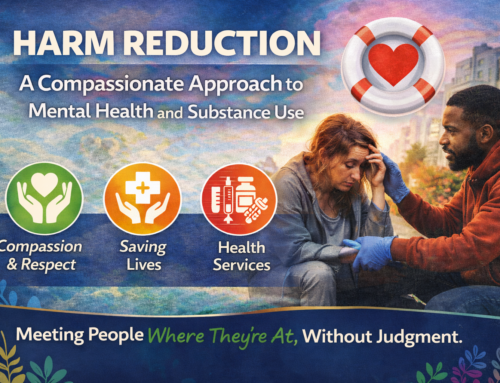
When mental health struggles are left unaddressed, they often lead to self-medication through drugs or alcohol. It’s a coping mechanism that can spiral into addiction, especially when combined with chronic pain, isolation, or lack of purpose.
The National Institute on Drug Abuse reports that more than 1 in 10 veterans have been diagnosed with a substance use disorder (SUD) – a rate slightly higher than the general population. Alcohol is the most commonly misused substance, often normalized in military culture. However, prescription opioids, especially for pain management, have also become a serious concern.
Compounding this problem is the stigma surrounding addiction. Many veterans view asking for help as a sign of weakness, a belief ingrained through years of training in self-reliance and toughness. This stigma prevents countless individuals from seeking support until their situation becomes critical.
The Impact on Military Families
Mental health and substance use challenges don’t just affect service members; they ripple through entire families.
Military spouses and children often experience chronic stress, especially during deployments. Prolonged separation, frequent relocations, and uncertainty can take a toll on emotional well-being. For some, the return of a loved one from service, especially when they’re struggling with PTSD or addiction, can feel more destabilizing than the deployment itself.
Family members may take on caregiving roles without proper support, leading to burnout, depression, and emotional strain. Children of veterans may also develop behavioral or mental health challenges if their home environment is affected by untreated trauma or substance misuse.
Breaking the Silence
The good news is that effective treatment exists, and recovery is possible. But access, awareness, and willingness to seek help are key.
Over the past decade, the VA and other organizations have expanded mental health and substance use services for veterans, including:
- VA mental health clinics and substance use treatment programs
- Veterans Crisis Line (988, then press 1), offering confidential support 24/7
- Peer support programs that connect veterans with others who understand their experiences
- Telehealth services, making it easier to access care from anywhere
In addition, community-based nonprofits, faith organizations, and military family networks play a vital role in providing resources, counseling, and support.
However, barriers remain long wait times, complex eligibility requirements, cultural stigma, and lack of awareness about available services. That’s why public education, outreach, and policy change are so critical – to ensure no veteran or family member falls through the cracks.
How We Can Help
This Veterans and Military Families Month, honoring those who serve means more than saying “thank you.” It means:
- Listening without judgment to veterans and their families when they speak about their struggles.
- Advocating for better mental health access through legislation and community programs.
- Supporting organizations that provide treatment, housing, job training, and emotional support.
- Encouraging open conversations about PTSD, addiction, and recovery — to break the silence and the stigma.
Final Thoughts
Veterans and military families carry a unique burden, one that doesn’t end when the uniform comes off. By understanding the mental health and substance use challenges they face, we can move from symbolic appreciation to real, tangible support.
Because behind every salute is a story. And behind every story is a person who deserves to heal, be heard, and find hope.