As the calendar turns and a fresh year unfolds, many of us feel a familiar pull toward self-improvement. We set ambitious resolutions, buy new planners, and promise ourselves that this will be the year everything changes. But while enthusiasm is wonderful, the pressure to transform overnight can be overwhelming, and often discouraging.
This year, instead of chasing perfection, consider embracing a gentler approach: a new year with a new mindset, one rooted in realistic and compassionate mental health goals. Your well-being deserves a thoughtful plan, not a punishing one.
Why Mindset Matters More Than Resolutions
Traditional resolutions tend to focus on strict behavioral changes – exercise every day, read a book a week, overhaul your entire routine. But mental health doesn’t thrive under rigid expectations. It grows in environments of flexibility, curiosity, and self-kindness.
A mindset-oriented approach asks different questions:
- How do I want to feel this year?
- How can I support my emotional well-being?
- What small habits help me feel grounded and cared for?
This shift is powerful because it acknowledges that we’re human, not machines. Change happens gradually, through intention and compassion.
Setting Realistic Mental Health Goals
Here are supportive, achievable ways to nurture your mental health as you step into the year ahead:
- Choose One or Two Anchor Habits
Instead of creating a long list of goals, try choosing one or two practices that truly matter to you. Maybe it’s journaling three times a week, taking a 10-minute walk each morning, or going to bed 30 minutes earlier. Small, steady habits create meaningful shifts over time and they’re easier to maintain.
- Practice Self-Compassion Regularly
A powerful goal for the new year is simply to speak to yourself more kindly. Notice your inner dialogue. Are you harsh with yourself when things go wrong? Set an intention to offer the same compassion you give to others. This mindset can transform your emotional landscape more than any checklist.
- Create Healthy Boundaries
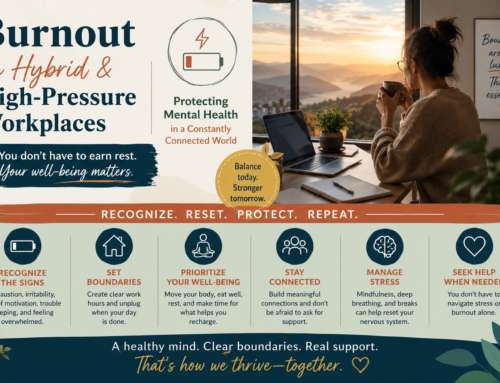
Boundaries are a form of self-respect. This year, consider setting limits around your time, energy, or relationships. That might mean saying no more often, reducing time on social media, or establishing quiet moments in your day. Boundaries help protect your peace and allow space for the things that nourish you.
- Make Room for Rest
Rest is not laziness, it’s essential. Many people move through life exhausted, pushing themselves beyond healthy limits. Set a goal to honor your body’s need for rest, whether that means taking short breaks during the workday, having device-free evenings, or enjoying a slow weekend morning.
- Prioritize Connection
Human connection supports mental wellness in profound ways. You might set a goal to reach out to a friend once a week, join a local group, or simply let others know when you need support. Healthy relationships act as emotional anchors throughout the year.
- Explore Emotional Awareness
Consider checking in with yourself more often. Ask: What am I feeling right now? What do I need? Regular emotional check-ins promote self-awareness and help you respond to challenges with intention rather than reacting on autopilot.
- Seek Support When Needed
There is strength, not weakness, in asking for help. Whether you talk with a therapist, counselor, or support group, reaching out can be one of the most healing goals you set. You deserve guidance and care as you navigate life’s ups and downs.
Embrace Growth, Not Perfection
A new year doesn’t require a new version of you, just a kinder one. Think of the year ahead as a space to grow gently, to explore what brings you joy, and to support your mental health with realistic, nourishing goals.
You are capable. You are resilient. And you deserve a year filled with clarity, compassion, and well-being – not because you’ve worked harder, but because you’ve learned to treat yourself with the care you’ve always deserved.