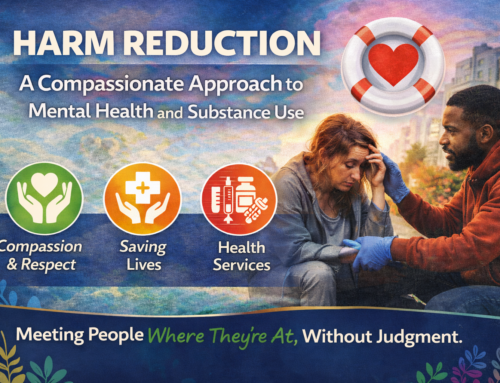
Every October, the nation observes Substance Use and Misuse Prevention Month, a time dedicated to raising awareness about the risks of substance use, offering support for those affected, and highlighting the importance of prevention efforts. It’s a month of education, conversation, and action. However, it’s also an opportunity to reflect on a critical issue that often goes hand-in-hand with substance misuse: mental health. The relationship between mental health challenges and substance use is complex, multifaceted, and deeply intertwined. Understanding this connection is crucial in addressing the broader issue of addiction and providing holistic, effective support for those in need.
The Dual Crisis: Mental Health and Substance Use
Substance use and misuse often emerge as a coping mechanism for individuals struggling with mental health issues. Whether it’s anxiety, depression, PTSD, or more serious mental health disorders, individuals may turn to drugs or alcohol in an attempt to manage their emotions, numb painful memories, or escape distressing thoughts. While it may provide temporary relief, substance use only exacerbates the underlying mental health issue over time, leading to a vicious cycle of reliance on substances to cope with increasingly intense psychological distress.
Mental health and addiction share common risk factors, including genetics, environmental influences, trauma, and stress. Those who have a history of trauma, such as childhood abuse or exposure to violence, are particularly vulnerable to developing both mental health conditions and substance use disorders. According to the National Institute on Drug Abuse (NIDA), nearly half of individuals with a substance use disorder also experience a co-occurring mental illness. This statistic underscores the importance of addressing both issues simultaneously to achieve long-term recovery.
The Impact of Mental Health on Substance Use
Mental health disorders often co-exist with substance use problems in a manner that complicates treatment and recovery. For instance, someone with depression may use alcohol to cope with feelings of sadness or hopelessness. The alcohol may provide brief relief, but it can deepen the depression over time, making the person feel worse and increasing the temptation to use more alcohol. This cycle can lead to a co-occurring disorder, where both the mental health issue and substance misuse must be treated simultaneously to achieve recovery.
The impact of mental health on substance misuse is also seen in those who experience anxiety or stress. Many individuals with anxiety disorders turn to substances like marijuana or prescription drugs to alleviate tension or calm their nerves. In the short term, these substances may provide some relief, but over time, they can increase the intensity of anxiety symptoms. Similarly, those who struggle with bipolar disorder or schizophrenia may misuse substances to cope with extreme mood swings, hallucinations, or delusions, leading to worsened psychiatric symptoms and increased risk of self-harm or dangerous behaviors.
Prevention and the Need for Mental Health Integration
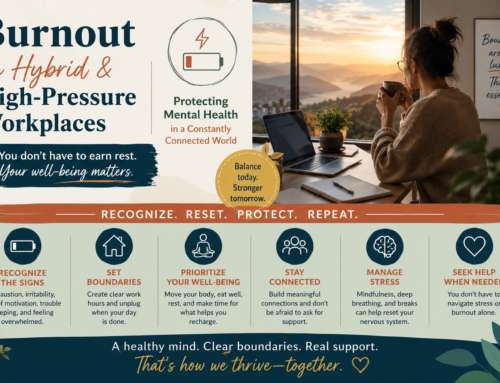
During Substance Use and Misuse Prevention Month, the focus is not only on raising awareness about substance misuse but also on prevention strategies that address both mental health and substance use. Effective prevention must focus on the early identification of mental health issues and the promotion of healthy coping mechanisms. By supporting individuals in developing healthier ways to manage stress, trauma, and emotional challenges, we can reduce the likelihood of substance misuse as a coping mechanism.
Educational programs, community outreach, and school-based initiatives can help reduce the stigma around both mental health and substance use disorders, encouraging individuals to seek help before problems escalate. These programs often promote mental wellness by teaching skills like mindfulness, stress management, and emotional regulation, all of which can help individuals better navigate life’s challenges without turning to substances.
However, prevention is just one piece of the puzzle. We must also ensure that mental health services are integrated into addiction treatment. Too often, people seeking treatment for substance use disorders are given a single focus: get clean. While abstinence from drugs or alcohol is critical, treating underlying mental health conditions is essential for sustainable recovery. People struggling with addiction need access to comprehensive treatment programs that include counseling, psychiatric support, and coping strategies designed to address both their mental health needs and substance use.
The Role of Support Networks
Family, friends, and community support also play a vital role in preventing and managing substance misuse. Encouraging open conversations about mental health and breaking the stigma surrounding seeking help can create a supportive environment for individuals at risk of both addiction and mental health crises. In some cases, people may not even recognize that their substance use is a result of untreated mental health struggles. By offering support, actively listening, and guiding individuals toward resources, loved ones can play a pivotal role in both prevention and recovery.
Conclusion: A Holistic Approach to Prevention
Substance Use and Misuse Prevention Month serves as an important reminder of the need to prioritize mental health in our efforts to combat addiction. By addressing mental health needs, promoting early intervention, and offering integrated treatment, we can prevent the dangerous cycle of substance misuse that often stems from untreated psychological distress. The goal is not only to reduce substance use but also to create a society where individuals have the tools and support, they need to thrive mentally, emotionally, and physically. With a holistic approach, we can break the connection between mental health struggles and addiction, offering hope and healing for all.
Let’s continue the conversation, reduce the stigma, and work together to create a healthier, more resilient future.