Occupational Therapy Month is a time to recognize a profession dedicated to helping people live meaningful, functional, and fulfilling lives. While occupational therapy is often associated with physical rehabilitation or skill-building, its impact extends far beyond observable tasks. Occupational therapists (OT) work at the intersection of mental health, daily living, and recovery – supporting individuals as they navigate emotional challenges, chronic stress, and unhealthy coping behaviors, including substance use.
In a world where mental health and substance use concerns are increasingly common, occupational therapy plays a critical yet often underrecognized role in healing and prevention.
The Hidden Challenges of Daily Life
Mental health struggles and substance use disorders often disrupt the most basic aspects of daily life. Getting out of bed, maintaining routines, managing relationships, and engaging in meaningful activities can become overwhelming. These challenges are not always visible, but they profoundly affect wellbeing, independence, and self-worth.
For individuals living with anxiety, depression, trauma, or addiction, daily occupations such as work, self-care, and social participation, may feel inaccessible. When people lose their sense of purpose or capability, frustration and shame can take root. Over time, substances may become a way to cope with these feelings, offering temporary relief from emotional distress or functional barriers.
Mental Health and Occupation: Deeply Connected
Mental health and daily functioning are deeply intertwined. When mental health suffers, engagement in meaningful activities often declines. Conversely, lack of purpose, structure, or meaningful occupation can worsen mental health symptoms.
Occupational therapists understand this reciprocal relationship. Rather than focusing solely on symptom reduction, OT practitioners address how mental health challenges affect real-world functioning, and how restoring engagement in meaningful activities can support emotional wellbeing.
This approach is especially valuable for individuals who feel disconnected from traditional mental health care or who struggle to translate therapy insights into daily life.
Substance Use Through a Functional Lens
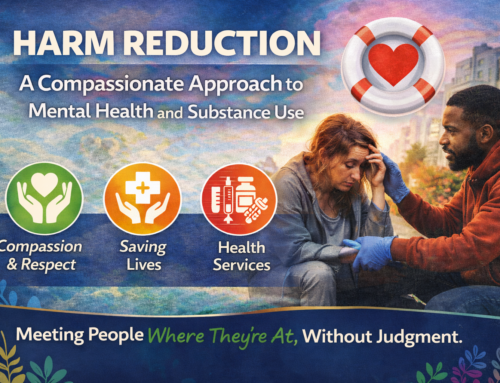
Substance use is frequently viewed through a moral or behavioral lens, but occupational therapy approaches it differently. OT recognizes substance use as a coping strategy, often one that develops when healthier supports, routines, or skills are unavailable.
From an occupational perspective, substance use can disrupt daily roles, habits, and routines, while also becoming embedded within them. Recovery, therefore, is not just about stopping substance use, it is about rebuilding a life that no longer depends on it.
Occupational therapists help individuals develop healthier coping strategies, establish structure, and rediscover meaningful activities that support recovery. This might include stress management, sensory regulation, time management, social participation, or vocational support.
Trauma, Chronic Stress, and Occupational Disruption
Many people receiving occupational therapy services have experienced trauma, chronic illness, disability, or life transitions. Trauma can profoundly affect how individuals engage with their environments, often leading to hypervigilance, avoidance, or emotional dysregulation.
In the absence of trauma-informed care, these challenges may be misunderstood as lack of motivation or noncompliance. Occupational therapy emphasizes safety, choice, and collaboration – key principles that support both mental health and substance use recovery.
By addressing sensory needs, environmental barriers, and emotional regulation, occupational therapists help individuals feel more grounded and capable in their daily lives.
Supporting Caregivers and Communities
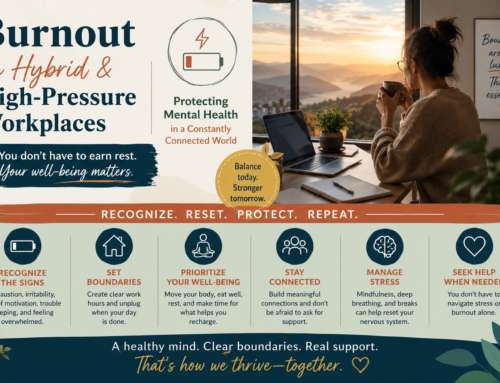
Occupational therapy’s impact extends beyond individuals to families and caregivers. Caregiver stress, burnout, and secondary trauma are common, particularly when supporting someone with mental health or substance use challenges.
OT interventions can support caregivers in establishing boundaries, routines, and self-care practices that protect their own mental health. This support reduces burnout and strengthens the overall care system surrounding the individual.
At the community level, occupational therapists advocate for accessible environments, inclusive workplaces, and systems that promote participation rather than exclusion.
Prevention Through Meaningful Engagement
One of occupational therapy’s most powerful contributions is prevention. Engagement in meaningful, structured activities is a protective factor against both mental health decline and substance misuse. When people feel purposeful, connected, and capable, they are less likely to rely on substances to cope.
Occupational therapy supports this by helping individuals identify values, interests, and strengths; and translate them into daily action. Whether through creative expression, employment, volunteering, or adaptive leisure, these occupations provide grounding and fulfillment.
The Importance of Holistic, Integrated Care
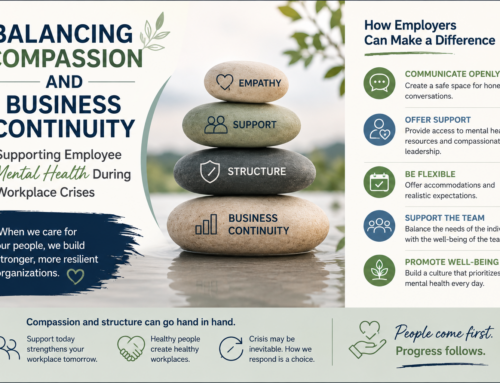
Mental health and substance use cannot be effectively addressed in isolation. Occupational therapy complements psychology, psychiatry, social work, and medical care by focusing on how people actually live their lives.
Integrated care models that include occupational therapy lead to better outcomes – improved quality of life, increased independence, and more sustainable recovery. Yet OT services in mental health and substance use settings remain underutilized.
Occupational Therapy Month is an opportunity to recognize and expand this vital role.
Honoring the Work of Occupational Therapists
Occupational therapists meet people where they are, often at their most vulnerable moments, and help them rebuild a sense of agency and hope. Their work affirms that healing is not just about symptom management, but about reclaiming meaning, dignity, and participation in everyday life.
As we observe Occupational Therapy Month, let us acknowledge the challenges individuals face with mental health and substance use, and the professionals who help them navigate these challenges with compassion and creativity.
Supporting mental health means supporting daily life. And occupational therapy reminds us that even small steps toward meaningful engagement can be powerful acts of healing.