Stress Awareness Month invites us to pause and reflect on something many people experience daily but rarely address deeply. Stress is often treated as a normal part of modern life—something to push through, manage quietly, or even wear as a badge of honor. But when stress becomes chronic and unrelenting, it can take a serious toll on mental health and increase the risk of unhealthy coping behaviors, including substance use.
Understanding the true impact of stress is a crucial step toward prevention, compassion, and meaningful change.
Stress Is More Than Feeling Busy
Stress is the body’s response to perceived threat or demand. In short bursts, it can be helpful, sharpening focus and motivating action. However, when stress becomes constant—driven by work pressure, financial strain, caregiving responsibilities, discrimination, trauma, or health challenges—the body remains in a prolonged state of alert.
Chronic stress affects nearly every system in the body. It disrupts sleep, weakens the immune system, and interferes with emotional regulation. Over time, it can lead to feelings of exhaustion, irritability, anxiety, and hopelessness. What begins as stress can quietly evolve into serious mental health challenges.
The Link Between Chronic Stress and Mental Health
Long-term stress is a significant risk factor for anxiety and depression. When the nervous system rarely gets a chance to rest, the mind struggles to process emotions effectively. People may feel constantly overwhelmed, on edge, or emotionally numb.
Stress can also intensify existing mental health conditions. For individuals already managing anxiety, depression, or trauma, chronic stress can worsen symptoms and reduce the effectiveness of coping strategies. This can create a cycle where stress fuels mental health struggles, which in turn make stress feel even more unmanageable.
Unfortunately, mental health challenges caused by stress are often minimized. Phrases like “everyone’s stressed” or “just toughen up” can discourage people from seeking help and reinforce the belief that suffering is simply part of life.
Stress and the Turn Toward Substances
When stress feels unbearable and relief feels out of reach, many people turn to substances as a coping mechanism. Alcohol to unwind, prescription medications to sleep, stimulants to stay productive, or substances to escape emotional pain can all seem like temporary solutions.
Substances often provide short-term relief by calming the nervous system or numbing difficult emotions. However, they do not address the underlying sources of stress. Over time, reliance on substances can increase stress rather than reduce it—contributing to sleep problems, mood instability, strained relationships, and physical health issues.
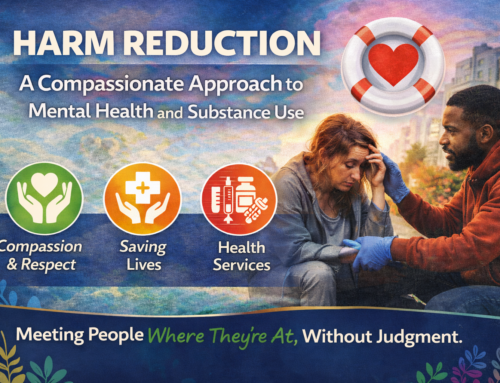
What is often labeled as “substance misuse” is frequently a sign of unmet needs and unsupported stress. Understanding substance use as a response to overwhelming pressure rather than a moral failing allows for more compassionate and effective interventions.
Workplace Stress and Burnout
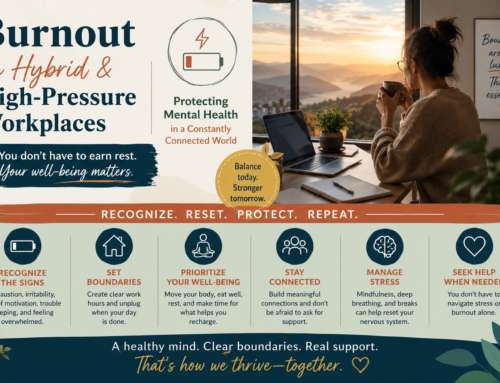
Workplace stress is a major contributor to both mental health struggles and substance use. Long hours, unrealistic expectations, job insecurity, and lack of control can lead to burnout—a state of emotional, mental, and physical exhaustion.
Burnout is not a personal failure; it is a systemic issue. When work environments prioritize productivity over wellbeing, stress becomes chronic and harmful. In these conditions, substances may be used to cope with fatigue, anxiety, or emotional depletion.
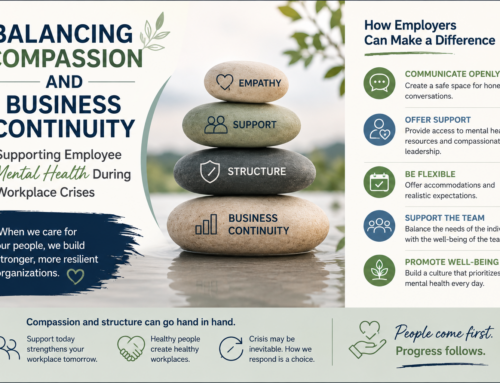
Addressing stress requires not only individual coping strategies, but also organizational responsibility and cultural change.
Caregiving, Inequality, and Hidden Stressors
Not all stress is visible. Caregivers, parents, people living with chronic illness, and those facing discrimination often carry heavy emotional loads without recognition or support. Financial insecurity, housing instability, and lack of access to healthcare further compound stress.
For many, there is no clear endpoint—no “break” from the pressure. This kind of chronic, invisible stress significantly increases the risk of mental health challenges and substance use, particularly when social support is limited.
Reducing Stress as Prevention
Reducing stress is not about eliminating challenges, but about creating conditions where people can recover, regulate, and feel supported. Protective factors such as stable routines, meaningful connection, physical activity, rest, and access to mental health care all play a role.
Importantly, stress management should not place all responsibility on individuals. While mindfulness, exercise, and healthy boundaries can help, they are not substitutes for systemic support. Access to paid leave, affordable healthcare, safe housing, and fair wages are also stress-reduction strategies.
Talking About Stress Without Shame
One of the most powerful steps in addressing stress is talking about it openly. Naming stress validates the experience and reduces isolation. It also opens the door to early support—before stress turns into crisis.
Stress Awareness Month is an opportunity to challenge the stigma around mental health and substance use by acknowledging how deeply stress affects our lives. Seeking help is not weakness; it is an act of self-preservation.
A Call for Compassion and Change
Stress is not just an individual issue—it is a collective one. As long as we normalize chronic stress, we normalize burnout, mental health struggles, and unhealthy coping. Awareness must lead to action: creating environments where rest is valued, support is accessible, and people are not expected to endure endlessly.
This Stress Awareness Month, let us move beyond awareness toward compassion and prevention. By addressing stress honestly and supporting healthier ways to cope, we protect mental health, reduce substance use risk, and create a culture where wellbeing is not an afterthought—but a priority.